
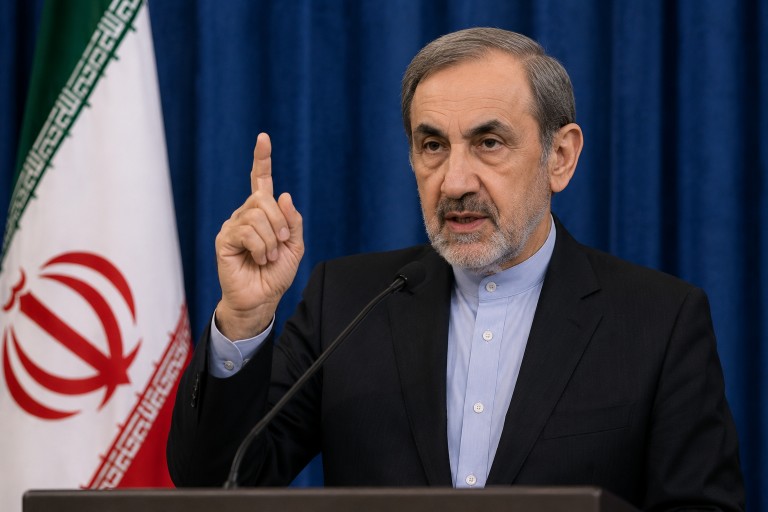
In a bold declaration, Iran has issued a stern warning to the United States following President Donald Trump’s announcement that the interim agreement aimed at reducing tensions between the two nations is now considered “over.” Ali Akbar Velayati, a senior adviser to Iran’s supreme leader, accused the U.S. of stoking instability in the Gulf region, claiming that Trump’s decision has dragged the area back toward conflict. Velayati emphasized that Iran is prepared to react swiftly to any further military provocations, asserting that the nation is poised and ready to respond.
Velayati’s remarks come in the wake of Trump’s statement at the NATO summit, where he declared the ceasefire agreement void after Iran carried out fresh attacks on U.S. military bases in Bahrain and Kuwait. These actions were reportedly in retaliation to earlier U.S. strikes on Iranian targets, which were themselves a response to assaults on commercial vessels navigating the strategic Strait of Hormuz. In this escalating tit-for-tat, Trump’s administration continues to signal the potential for further military engagement if Iran persists in its aggressive actions.
The U.S. president did not shy away from outlining the potential for additional strikes against Iran, indicating that American forces are prepared to act decisively. He alluded to the possibility of targeting strategic Iranian infrastructure, including Kharg Island, should the need arise. This rhetoric underscores the fragile state of affairs in the Gulf, where the specter of a broader conflict looms large amid ongoing disruptions to regional security and global energy markets.
With both nations trading threats, hopes for restoring the ceasefire have further diminished. The renewed exchange of hostilities has heightened concerns over the potential escalation into a broader conflict, impacting not only the stability of the Gulf but also the global energy landscape. Observers watch anxiously as the situation unfolds, recognizing the delicate balance needed to prevent further deterioration of relations between these two powerful adversaries.