
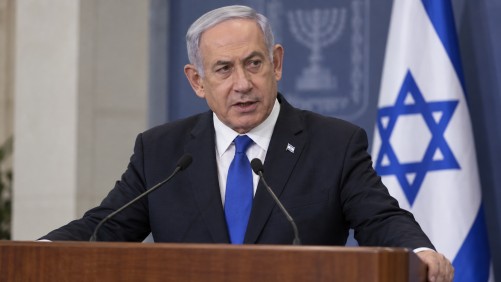
A deadly missile attack by Houthi rebels on King Khalid International Airport in Riyadh, Saudi Arabia, has intensified regional tensions and disrupted civilian life. The assault reportedly killed at least 12 people and injured more than 300, prompting Israeli Prime Minister Benjamin Netanyahu to condemn the strike as a “horrific terrorist attack” and call for a united front against terrorism.
In response to the attack, Saudi authorities have taken significant measures to ensure public safety, including suspending in-person classes and shifting schools to remote learning. Despite the heightened security concerns, officials have confirmed that a major international energy conference in Riyadh will proceed as planned.
The escalation in violence is part of the ongoing conflict between the Saudi-led coalition, which backs Yemen’s internationally recognized government, and the Iran-supported Houthi movement. The rebels have claimed responsibility for multiple attacks on Saudi airports and energy facilities, issuing warnings to airlines and travelers about using the kingdom’s airspace.
Further complicating the situation, the Houthis have accused Saudi Arabia of conducting airstrikes in Yemen’s capital, Sanaa, which allegedly resulted in the death of a child and injuries to several others. Saudi authorities have yet to respond to these allegations.
Concerns are mounting over the security of civilian infrastructure and potential disruption to international trade routes, particularly the Bab el-Mandeb Strait, a critical passage connecting the Red Sea to the Gulf of Aden. Any further escalation could threaten regional energy supplies and maritime trade.
As tensions rise, U.S. President Donald Trump announced plans to speak with Saudi Crown Prince Mohammed bin Salman to address the growing fears of broader regional involvement in the conflict.