
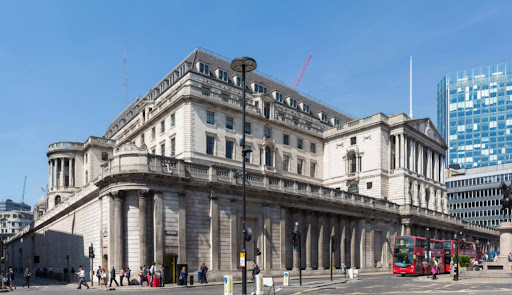
The Bank of England held its base rate at 3.75% on Thursday, with all members of the monetary policy committee voting to stand pat as the economic consequences of the US-Israel war on Iran continue to unfold. While no action was taken, the Bank’s language was notably more concerned than in recent meetings, with officials warning that inflation could rise sharply and that rate hikes may be necessary before the year is out. The decision marks a clear turning point in the UK’s monetary policy trajectory.
Until the outbreak of the Iran conflict, financial markets had been expecting a rate reduction at this meeting. The war changed expectations entirely, driving energy prices higher and threatening to rekindle inflation that had been slowly retreating toward the Bank’s 2% target. Officials now expect inflation to reach around 3.5% in the near term and remain elevated throughout 2026.
Governor Andrew Bailey described the energy price rise as a direct consequence of the conflict and said its effects were already visible to British consumers at the petrol pump. He warned that higher household energy bills could follow if disruption to supply chains persists. The Bank, he said, was closely monitoring the situation and had the tools to respond if needed.
The announcement sent UK government borrowing costs higher and pushed the FTSE 100 lower, as investors priced in the prospect of tighter monetary policy. The pound strengthened against the dollar following the decision. Traders are now betting on two rate increases before the end of the year, the first potentially arriving in June.
Labour market data published the same morning added nuance to the picture, with wages growing more slowly and unemployment rising to 5.2%. Under ordinary conditions, these figures would argue for rate cuts rather than hikes. But with an energy-driven inflation shock looming, the Bank appears unwilling to ease policy until the fog of geopolitical uncertainty clears.