
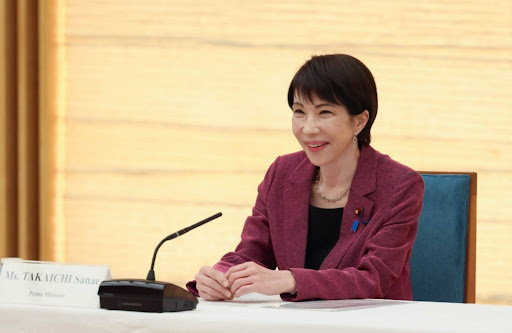
Japan has announced the biggest-ever release from its national oil stockpile, with Prime Minister Sanae Takaichi confirming on X that approximately 80 million barrels will be provided to refiners starting this Thursday. The decision is a direct response to fears that the US-Israel war on Iran could close the Strait of Hormuz to tanker traffic for a sustained period, cutting off Japan’s primary source of crude oil. The release, equivalent to 45 days of Japan’s total domestic demand, represents an historic exercise of the country’s energy emergency powers.
Japan occupies one of the most exposed positions in the global energy system, sourcing over 90% of its crude oil from Middle Eastern suppliers. The Strait of Hormuz is the indispensable conduit through which this oil flows, making it a chokepoint of existential economic significance for Japan. The government has consistently invested in building large strategic reserves precisely to hedge against the risk of Hormuz disruption, and those reserves are now being activated.
The volume of oil being released exceeds by 1.8 times the drawdown that followed the 2011 Fukushima earthquake and tsunami, which had set the previous record. Japan’s total reserves as of year-end stood at around 470 million barrels, sufficient to cover 254 days of consumption. Even after this release, Japan retains a substantial reserve capable of sustaining the economy through a prolonged supply disruption.
Gasoline prices had surged to a record ¥190.8 per litre before the government intervened with subsidies to cap costs at around ¥170. These subsidies are subject to weekly review, giving the government flexibility to adjust support levels as the market evolves. The price intervention is expected to provide meaningful relief to consumers and businesses heavily dependent on road transport.
The prime minister has taken a diplomatically active but militarily restrained approach, refusing Trump’s request for Japanese naval support in the Hormuz area while pledging sustained diplomatic efforts with regional partners. Her invocation of Japan’s postwar constitution to decline military deployment was consistent with longstanding Japanese foreign policy principles. The government is betting that strong diplomatic engagement, combined with robust energy reserves, will see Japan through this crisis.