
The European Union has officially agreed to indefinitely freeze €210bn (£185bn) of Russian sovereign assets held within the bloc. This decision utilizes emergency powers to immobilize the funds until Russia ceases its aggression against Ukraine and compensates for the resulting damages.
Strategic Shift in Sanctions
European Council President António Costa confirmed that this move fulfills a commitment made earlier this year. Previously, the sanctions underpinning these frozen assets required renewal every six months. This structure created political vulnerability, allowing Kremlin-friendly governments within the EU to potentially veto the renewal. The new indefinite timeline removes this instability.
The Financial Plan and Internal Debate
The European Commission has proposed a €90bn (£79bn) loan for Ukraine, secured against these immobilized assets. Officials estimate this loan could cover two-thirds of Ukraine’s financial needs for the next two years.
However, the plan faces significant internal hurdles:
The Mechanism: The EU intends to borrow cash from Euroclear (the Brussels-based central securities depository holding the assets) and loan it to Ukraine. Russia would remain the legal owner, and Ukraine would only repay the loan upon receiving reparations from Moscow.
Belgium’s Opposition: Belgium has blocked the plan, fearing a cascade of lawsuits and the seizure of Belgian assets abroad. Prime Minister Bart De Wever has argued that the proposal could violate international law and destabilize the euro.
Germany’s Stance: Conversely, Germany views the frozen assets plan as the most viable option and has pledged to provide €50bn in guarantees to mitigate Belgium’s risk.
Retaliation from Moscow
The decision comes as the Central Bank of Russia initiates a lawsuit against Euroclear in a Moscow court. Russia claims Euroclear’s “illegal actions” have damaged its ability to manage funds. Euroclear, which is already fighting over 100 legal claims in Russia, has no say in how the frozen funds are utilized by political powers.
Diplomatic Coordination
In preparation for the upcoming EU summit, Belgian Prime Minister De Wever met with UK Prime Minister Keir Starmer. Both leaders agreed that maintaining economic pressure on Russia is essential for a just peace. The UK, which holds €27bn in frozen Russian assets, supports the EU’s initiative and anticipates similar moves from other G7 nations.
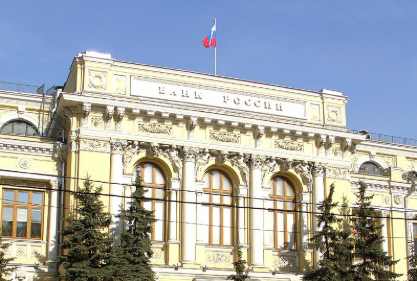
Photo by NVO, via Wikimedia Commons
EU Indefinitely Freezes €210bn in Russian Assets to Bolster Ukraine
0