
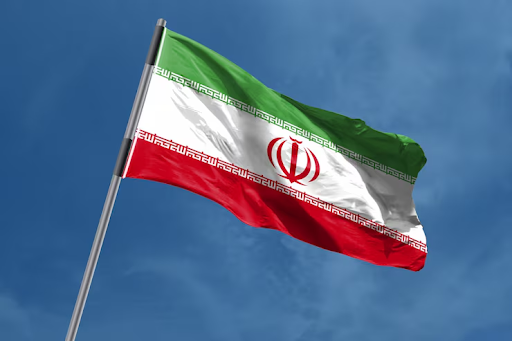
The United States military offered a sweeping account of its campaign against Iran on Wednesday, claiming it had struck more than 10,000 targets since the conflict began and had destroyed 92% of the Iranian navy’s largest vessels. US Navy Admiral Brad Cooper also reported that over two-thirds of Iran’s missile, drone, and naval production infrastructure had been damaged or destroyed. The figures painted a picture of a devastating campaign that had significantly degraded Iran’s military capabilities, even as the country continued fighting.
Despite these losses, Iran showed no sign of military capitulation. It launched fresh waves of ballistic missiles at Israel and drone attacks on Gulf targets throughout Wednesday and overnight. Saudi Arabia destroyed at least eight Iranian drones in its oil-producing eastern region. Iran also struck Kuwait International Airport with a drone attack, causing a large fire. The persistence of Iranian attacks in the face of massive losses underscored the difficulty of forcing a country of Iran’s size and depth to submit through air power alone.
Diplomatically, Iran rejected the US ceasefire proposal and responded with its own five conditions for ending the war. The White House maintained that discussions were productive and that a deal was possible within the existing four-to-six-week timeline. Trump insisted Iranian leaders wanted peace but feared the domestic consequences of openly pursuing it. Behind the scenes, US envoys including Jared Kushner and Steve Witkoff were reportedly in contact with unnamed Iranian officials.
The US military buildup in the region continued, with troops from the 82nd Airborne Division being deployed alongside thousands more marines and sailors. The administration was reportedly considering an operation to seize Kharg Island, the source of most of Iran’s oil exports, as a pressure tool to reopen the Strait of Hormuz. Iran responded by threatening devastating counterattacks on any forces that set foot on Iranian territory.
The domestic political environment for Trump was increasingly difficult. His approval rating fell to 36%, a record low, driven by rising fuel prices and public opposition to the war’s expanding scope. Nearly 60% of Americans said the conflict had gone too far. With a rescheduled trip to Beijing set for May 14, the White House appeared to be working against the clock to secure a resolution before the diplomatic implications of an unended war became even more damaging.