
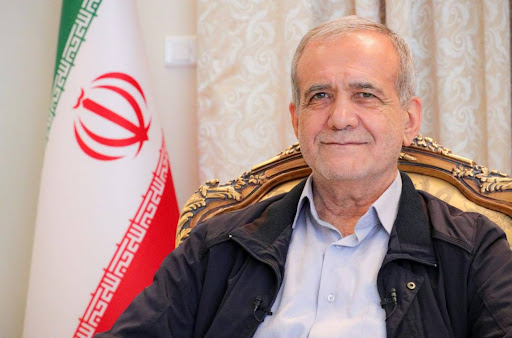
Iranian President Masoud Pezeshkian delivered a two-part message to the world this week: Iran will retaliate forcefully against any attack on its infrastructure, and Gulf nations have the power to stop the conflict by denying US and Israeli forces their territory. The statement, made publicly on X, came as the war between Iran and the United States stretched beyond a month. It was simultaneously a military declaration and a geopolitical appeal.
Gulf nations have been pulled into the conflict by virtue of their hosting of American military bases. Saudi Arabia, the UAE, Qatar, Kuwait, and Oman have all experienced Iranian retaliatory strikes following operations launched from US facilities on their soil. For these governments, the war between two other powers has created a direct and painful domestic challenge.
Pezeshkian’s X post stated Iran’s defensive position plainly: no preemptive attacks, but guaranteed and serious retaliation against aggression targeting the country’s economic or physical infrastructure. He then framed the situation for Gulf leaders as a choice with clear consequences, urging them to protect their own futures by ceasing to host the war. The message was direct and left little room for ambiguity.
Pakistan’s Prime Minister Sharif has been actively facilitating diplomatic contact, including direct conversations with Pezeshkian. The Iranian leader communicated that trust is the prerequisite for any serious negotiation, a point Sharif relayed publicly. Pakistan’s peace efforts have been praised by Iran, adding legitimacy to Islamabad’s role in the diplomatic process.
A Pakistan-hosted regional summit is now underway with foreign ministers from Saudi Arabia, Egypt, and Turkey in attendance. Pakistan’s foreign minister Ishaq Dar is coordinating the discussions, which span a range of conflict-related issues. The summit represents the most structured diplomatic effort yet to bring the parties toward resolution.