
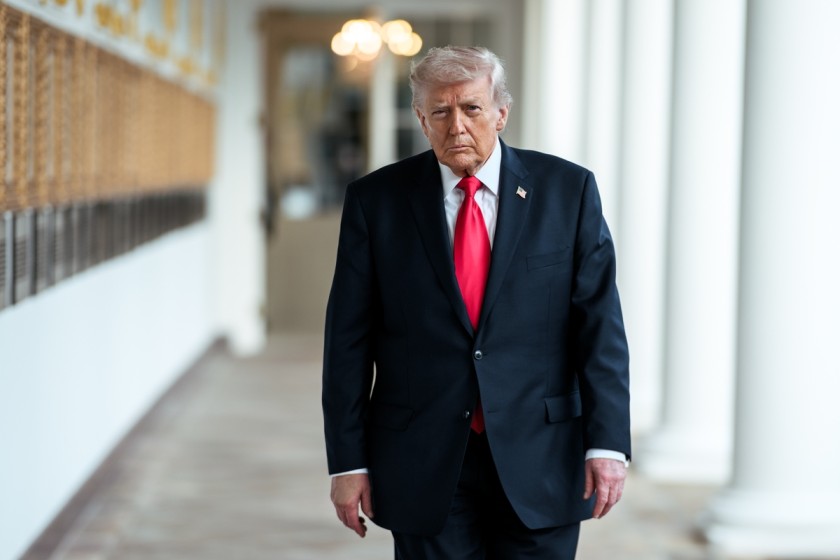
In a recent interview, US President Donald Trump expressed confidence in his ability to dissuade Israel from conducting further military operations in Lebanon. He emphasized that Israeli leaders value his leadership and are open to his perspectives, citing his previous policies on Iran as a significant factor for his influential position with Israel. Trump’s remarks surface as the United States endeavors to maintain a newly established US-Iran agreement, which aims to mitigate regional tensions and initiate new negotiations.
The agreement, designed to cease hostilities involving the United States, Iran, and their respective allies on various fronts, including Lebanon, faces challenges. Key among these is Israel’s military presence in southern Lebanon and its reaction to the broader agreement. Israeli Prime Minister Benjamin Netanyahu has reportedly expressed reservations about certain elements of the US-Iran understanding, particularly concerning Iran’s nuclear and missile capabilities.
Reports suggest that Israel has been unresponsive to private appeals from US officials regarding withdrawing troops from Lebanon. Despite these disagreements, Trump maintains that his relationship with Netanyahu remains positive, although acknowledging that occasional differences do arise between them. He commended the strong collaboration between the United States and Israel in regional security efforts, even amidst recent strains.
These developments occur against the backdrop of ongoing diplomatic initiatives to stabilize the Middle East. The international community’s focus is directed toward implementing the US-Iran agreement, establishing ceasefire conditions concerning Lebanon, and addressing broader regional security issues. The interplay of these factors underscores the complex dynamics at play in achieving lasting peace and stability in the region.