
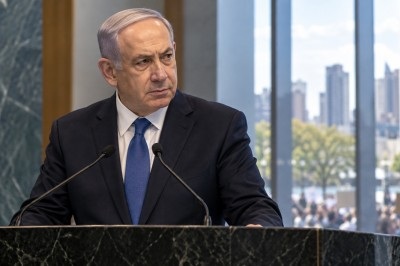
Israeli Prime Minister Benjamin Netanyahu’s address at the United Nations General Assembly is expected to draw significant protests in New York and increase scrutiny on Israel’s international standing. The speech comes as Israel faces mounting diplomatic criticism over its policies in Gaza and the West Bank, particularly regarding settlement expansions and humanitarian conditions.
Netanyahu plans to use his time at the UN to bolster his government’s narrative of achievements amid ongoing regional conflicts involving Gaza, Lebanon, and Iran. This international platform also serves as a strategic opportunity for Netanyahu to engage both global leaders and Israeli voters, with national elections looming.
Protests are anticipated in and around the UN headquarters, with Palestinian representatives and advocacy groups orchestrating demonstrations and a potential walkout during Netanyahu’s speech. These actions highlight the growing tension and dissatisfaction with Israeli policies, as perceived by international observers.
Israel’s UN Ambassador, Danny Danon, has defended the nation’s actions, citing the challenges Israel has faced since the attacks on October 7. Danon argues that much of the criticism is based on misinformation, aiming to counter the negative perceptions abroad.
The visit also raises questions about the future of U.S.-Israel relations, particularly concerning American military support and differing views on settlement policies and the conflict in Gaza. Despite the pressures, Danon expects the longstanding security ties with the United States to remain intact, even as Israel navigates through increasing international scrutiny.