
Israel is grappling with significant water shortages as a major algae bloom has disrupted operations at most of its desalination plants. The disruption comes as a direct result of the bloom affecting five out of the country’s six main desalination facilities along the Mediterranean coast, leading to clogged filtration systems and temporary shutdowns. As a consequence, water authorities have urged residents to conserve water and advised farmers in impacted regions to halt irrigation activities.
The root cause of this environmental challenge is linked to marine pollution stemming from the Gaza Strip, where large-scale discharge of untreated wastewater has been reported. Environmental experts point to the failure of Gaza’s wastewater treatment infrastructure, which has left sewage flowing into the Mediterranean. This influx of wastewater, rich in nutrients like nitrogen and phosphorus, is a contributing factor to the proliferation of the algae bloom.
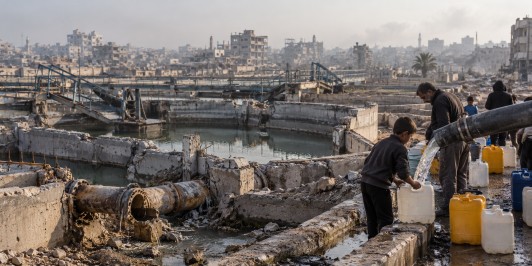
The situation in Gaza is dire, with all five of its wastewater treatment plants out of service. This failure has led to approximately 45,000 cubic meters of untreated sewage being released into the Mediterranean daily, further exacerbating the problem. Additionally, around 15,000 cubic meters of untreated waste is believed to be seeping into groundwater through soakaway pits, posing severe health risks for Palestinians due to potential contamination and subsequent diseases.
The effects of the ongoing conflict and environmental degradation are not confined to Gaza. Israeli environmental groups have raised alarms about the potential long-term impact on Israel’s desalination capacity and public health if the marine pollution continues unchecked. Calls have been made for the restoration of Gaza’s wastewater management systems to prevent further ecological damage to the Mediterranean environment.
The current situation highlights the interconnectedness of regional environmental issues, where the breakdown of infrastructure in one area can have significant repercussions across borders. Both Israeli and Palestinian communities are facing escalating challenges as a result of these environmental and infrastructural failures, underscoring the urgent need for collaborative solutions to address the burgeoning water crisis.