
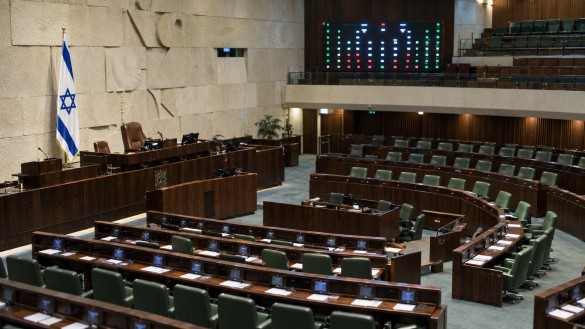
Israeli Prime Minister Benjamin Netanyahu’s political future hangs in the balance after final election results revealed his bloc fell short of a parliamentary majority. This outcome sets the stage for complex coalition negotiations where Arab-led parties, having secured 19 seats in the 120-member Knesset, could play a pivotal role as kingmakers.
Netanyahu’s bloc managed to win 53 seats, while the main opposition alliance secured 48. With 61 seats required to form a government, both sides are left without a clear path to power, necessitating support from other political factions. The potential involvement of Arab-led parties in an anti-Netanyahu coalition could offer a majority of up to 67 seats, though such a coalition would face significant opposition from right-wing politicians and their supporters.
The influence of Arab citizens, who make up about 20% of Israel’s population, is increasingly significant due to high voter turnout and opposition to Netanyahu’s far-right allies. However, Netanyahu has criticized any potential government that includes Arab parties, labeling it a threat to national security.
Another possible resolution to the deadlock is a national unity government involving both Netanyahu and opposition politicians. Yet, opposition leader Gadi Eisenkot and his allies have consistently rejected working under Netanyahu, holding him accountable for security failures, including those surrounding the October 7, 2023, Hamas attack, and expressing concerns about the erosion of democratic institutions. Netanyahu’s ongoing corruption trial remains a contentious issue.
Amidst these political dynamics, allegations of foreign interference in the election have surfaced, exacerbating tensions. Israel’s election authorities have called for an investigation by the Shin Bet security agency following claims of irregularities, although election officials have cautioned against allowing unsubstantiated claims to undermine the legitimacy of Arab voters or the final election results. Qatar has denied any involvement in the election.
If coalition negotiations fail, Israel may face yet another election early next year, with Netanyahu’s government continuing in a caretaker role. The country has a history of repeated elections due to prolonged political impasses. The final election results will soon be submitted to President Isaac Herzog, who will appoint a candidate to attempt to form the next government. The new Knesset is set to be sworn in on November 10, leaving Israel’s political future dependent on the ability of rival parties to bridge their differences and form a coalition.