
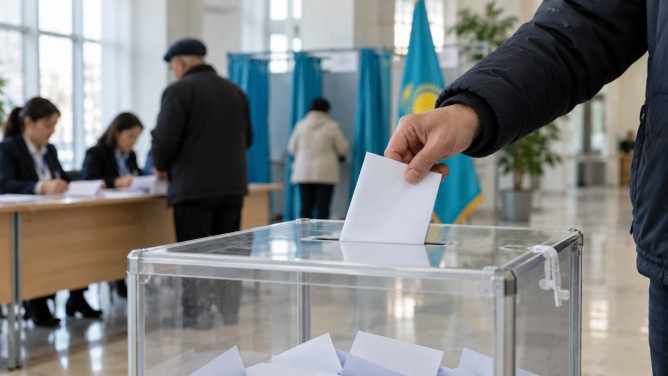
Kazakhstan is set to conduct early elections for its local representative bodies, known as maslikhats, on November 29. This decision follows an announcement from the Central Election Commission after President Kassym-Jomart Tokayev’s decree that ended the current powers of maslikhats at every level.
The upcoming elections will fill a total of 3,447 seats across 228 maslikhats, encompassing regional, city, and district levels. Specifically, the elections will determine 668 regional seats, 626 city seats, and 2,053 district seats. This process is a significant move within Kazakhstan’s political landscape, as it underlines the government’s adherence to stipulations in the nation’s election law. According to the law, the Central Election Commission is required to organize early elections within two months following the early termination of maslikhat powers.
Maslikhat deputies are elected by local residents through a direct, equal, and secret voting system, serving terms of five years. This ensures that the representatives are chosen directly by the people, reflecting local preferences and issues. The election cycle and the involvement of local residents are crucial aspects of Kazakhstan’s democratic framework, providing a platform for public participation in governance.
The decision to hold these elections comes at a time when Kazakhstan is focusing on reinforcing its local governance structures. By ensuring the timely election of new representatives, the government aims to maintain continuity and stability in local administration. The elections will play a pivotal role in shaping the local political landscape and addressing regional concerns through elected representatives who resonate with the electorate’s aspirations.
As the election date approaches, attention will be focused on how these local elections impact broader governance issues within Kazakhstan. The outcomes of these elections could provide insights into the current political climate and public sentiment within the country, especially in terms of local governance and representation.