
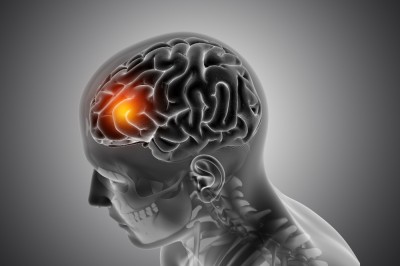
Significant shifts in an individual’s personality can often be attributed to stress, anxiety, or emotional challenges. Nevertheless, medical professionals warn that such drastic changes in behavior could occasionally signal an underlying neurological issue, such as a brain tumor. Neurologists highlight that family members are typically the first to observe when a person’s demeanor becomes unusually altered. For instance, someone who is usually calm and collected might become irritable, or a typically cheerful person might grow withdrawn. Similarly, an individual known for being organized and attentive might begin to forget important details.
Medical experts stress that a key indication of concern is the sudden onset of these changes, particularly when they cannot be explained by common stressors like work pressure or personal difficulties. Unlike gradual behavioral shifts caused by psychological stress, changes stemming from neurological conditions may persist or intensify over time. The brain plays a critical role in controlling personality, emotions, judgment, and decision-making. Therefore, when a tumor forms in areas governing these functions, the initial symptoms might manifest as changes in thought processes, mood, and social behavior, rather than clear physical signs.
These personality changes are often subtle at first, experts note. Some of the signs to watch for include increased aggression, emotional detachment, impulsive behavior, challenges in concentrating, memory issues, or actions that seem entirely out of character. Importantly, these behavioral changes do not usually occur in isolation. They are often accompanied by other symptoms, which might include persistent headaches, unexplained nausea, vision problems, seizures, difficulties with balance, or weakness in an arm or leg.
Doctors emphasize that while sudden personality changes alone do not automatically suggest a brain tumor, many medical and psychological conditions can produce similar symptoms. However, if these unusual behaviors are observed alongside neurological or physical issues, it is crucial to seek medical advice and undergo the necessary tests. Early diagnosis is vital, as it can help identify the root cause and ensure that appropriate treatment is administered in a timely manner, if needed.