
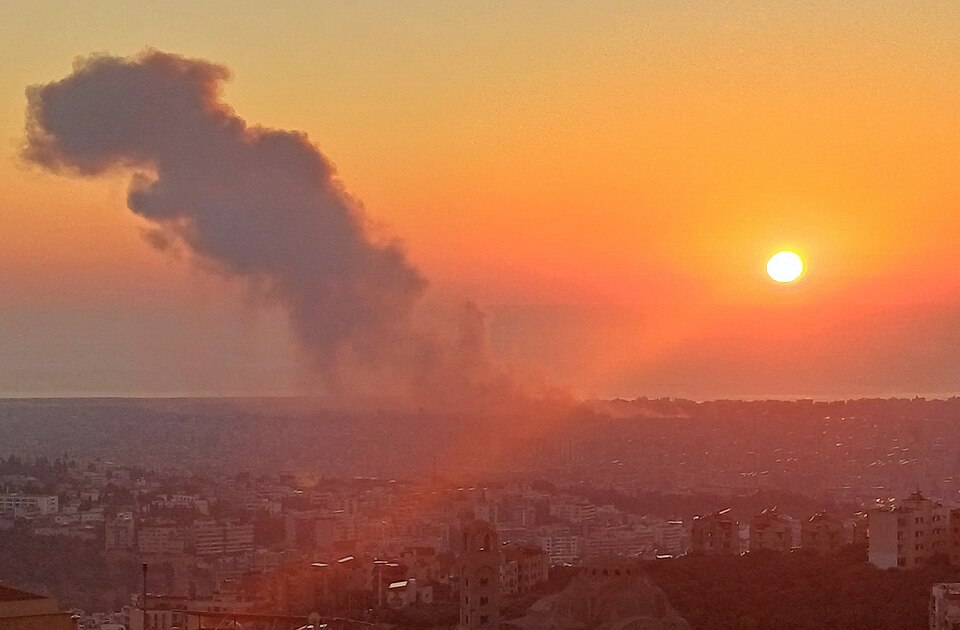
Israel and Hezbollah have reached a consensus to resume their fragile ceasefire following a recent outbreak of violence along the Lebanon-Israel border. This uptick in hostilities had threatened to destabilize the region and led to the disruption of anticipated diplomatic discussions between the United States and Iran.
The conflict erupted when Hezbollah initiated attacks against Israeli forces stationed in southern Lebanon, resulting in the loss of several Israeli soldiers. In retaliation, Israel conducted widespread airstrikes on Hezbollah positions within southern Lebanon, leading to numerous casualties and substantial infrastructural damage.
The intensification of violence compelled the postponement of planned US-Iran negotiations in Switzerland. These talks were crucial as they aimed to advance the implementation of a newly signed framework agreement addressing Iran’s nuclear program, alongside broader regional security concerns.
Despite the recent hostilities, both Israel and Hezbollah have shown readiness to cease their conflict and adhere to the ceasefire terms. Officials from both parties have suggested that further escalation might be prevented if the ceasefire is maintained.
The reestablishment of the ceasefire is considered a critical move towards safeguarding diplomatic efforts focused on alleviating regional tensions. Nonetheless, persistent disagreements over security protocols in southern Lebanon, coupled with wider geopolitical frictions, continue to challenge the prospects for enduring peace.