
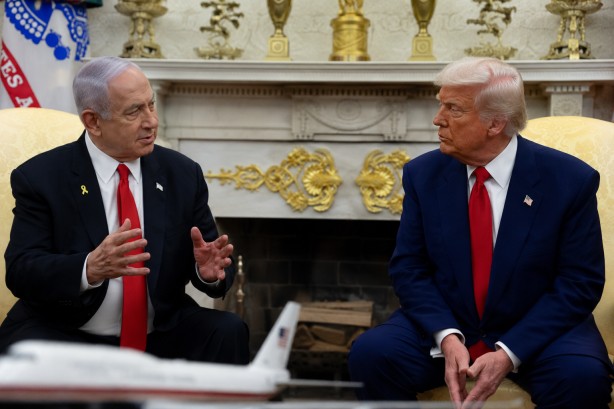
In a significant meeting at the White House, Israeli Prime Minister Benjamin Netanyahu and U.S. President Donald Trump engaged in a comprehensive dialogue centered around Iran, regional security issues, and the future trajectory of U.S.-Israel relations. The discussion was primarily an exchange of ideas, focusing on three potential strategies regarding Iran: pursuing diplomatic agreements, intensifying economic sanctions, or contemplating further military actions. While Netanyahu expressed skepticism about Iran’s compliance with any future agreements, he did not advocate for new military strikes. Both leaders reaffirmed their mutual goal of preventing Iran from acquiring nuclear weapons.
The meeting delved into strategies to heighten economic pressure on Tehran while minimizing disruptions in global energy markets. Netanyahu emphasized that Iran should not exploit the Strait of Hormuz as a bargaining chip in negotiations. This approach reflects the ongoing commitment of both nations to address Iran’s influence in the region, balancing economic measures with diplomatic considerations.
Regional security was another key topic, with discussions covering Israel’s military positions in Syria and southern Lebanon. Netanyahu highlighted Israel’s security concerns, using maps to illustrate the necessity of maintaining defensive stances against potential threats. This underscores Israel’s strategic priorities in the region and the critical importance of U.S. support in addressing these challenges.
On the matter of long-term defense cooperation, Netanyahu proposed a gradual reduction in Israel’s dependency on American military aid over the coming decade. Instead, he suggested expanding joint defense research and development initiatives, marking a shift towards more collaborative efforts in advancing military technology and capabilities.
Despite reports of potential tensions between the leaders, the Israeli official portrayed the relationship between Netanyahu and Trump as both close and cooperative. This dynamic underscores the enduring partnership between the two nations, even amidst complex regional policy discussions and evolving global challenges.