
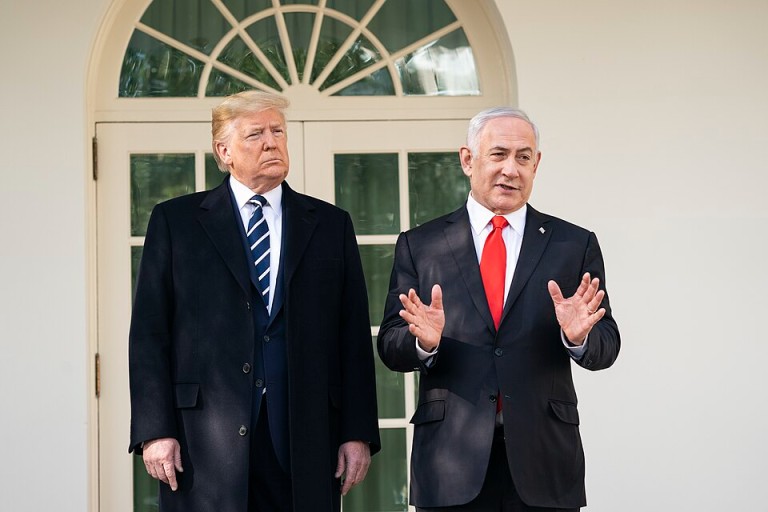
Amid ongoing tensions in the Middle East, US President Donald Trump has voiced criticism of Israeli Prime Minister Benjamin Netanyahu, referring to him as “a very difficult guy.” This comes at a time when the United States and Iran are on the verge of signing a peace agreement intended to bring an end to over three months of regional conflict. The anticipated agreement aims to cease military operations, reopen the Strait of Hormuz, and lift US naval restrictions in the area.
President Trump has expressed discontent with Israel’s persistent military actions in Lebanon, suggesting that recent strikes on Beirut have complicated efforts to finalize the peace deal with Iran. He noted that these attacks have delayed the announcement of the peace framework and heightened tensions during a crucial phase of negotiations. Despite these challenges, Trump emphasized the importance of continued American support for Israel and acknowledged that regional security threats remain substantial.
The conflict in the region expanded into Lebanon after Hezbollah joined the hostilities in support of Iran, resulting in months of cross-border fighting and a significant Israeli military campaign in southern Lebanon. This violence has displaced many civilians and raised concerns about the potential for a wider regional war. While progress has been made toward a peace settlement between the United States and Iran, questions linger regarding Lebanon’s involvement in the agreement. Mediators have suggested that Lebanon-related issues will be addressed in future discussions, although Israel has insisted on maintaining its right to make independent security decisions.
The peace framework is expected to be formally signed in Switzerland later this week, marking a significant step toward resolving the conflict. Following the signing, there will be a 60-day negotiation period focusing on unresolved issues, including Iran’s nuclear program and broader regional security concerns. This agreement is being closely monitored by global markets due to its potential to stabilize the Middle East and restore normal shipping operations through the Strait of Hormuz, a vital corridor for international energy supplies.