
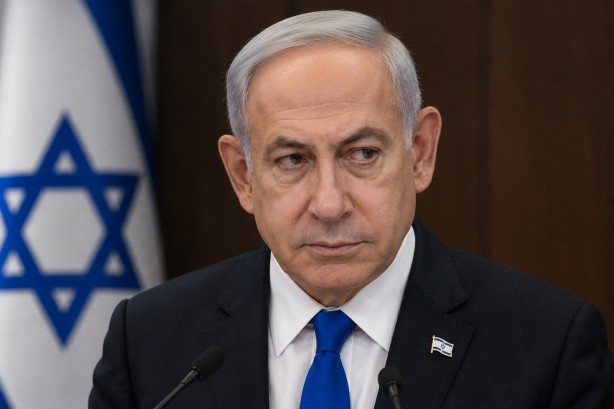
Israeli Prime Minister Benjamin Netanyahu has sharply criticized New York City Mayor Zohran Mamdani, accusing him of “fomenting hate” following the mayor’s assertion that Netanyahu should face arrest if he visits the city. Mamdani’s comments are rooted in an International Criminal Court (ICC) arrest warrant related to allegations against Netanyahu. Despite these remarks, Netanyahu has confirmed his intention to travel to New York in September for the United Nations General Assembly, dismissing the ICC’s war crimes allegations as “bogus” and lacking in legitimacy.
Mamdani, while acknowledging that New York City lacks the authority to enforce the ICC warrant, has argued that the U.S. federal government should intervene. He has expressed that individuals accused of war crimes should not be received in the city. This situation underscores ongoing tensions between local and international perspectives on accountability and justice, particularly in relation to the Israeli-Palestinian conflict.
Netanyahu, on his part, expressed concern over what he perceives as growing political divisions in the United States concerning Israel, as well as an increase in antisemitism. He voiced worries about the safety of Jewish residents in New York, indicating that many feel increasingly insecure amid these tensions. This statement reflects broader anxieties over the implications of international legal actions and their societal repercussions.
The ICC’s arrest warrants stem from alleged crimes during the Gaza conflict, a contentious issue that Israel has consistently contested by rejecting the court’s jurisdiction and denying any wrongdoing. The ongoing debate over these allegations continues to stir international discussions, highlighting the complexity of addressing war crimes and the challenges of enforcing international law in politically sensitive contexts.