
The United States and Iran have announced the activation of a newly signed memorandum of understanding, representing a significant advancement in efforts to resolve ongoing tensions in West Asia. This agreement, which took effect immediately upon signing, is seen as a pivotal step towards peace and the commencement of its implementation phase.
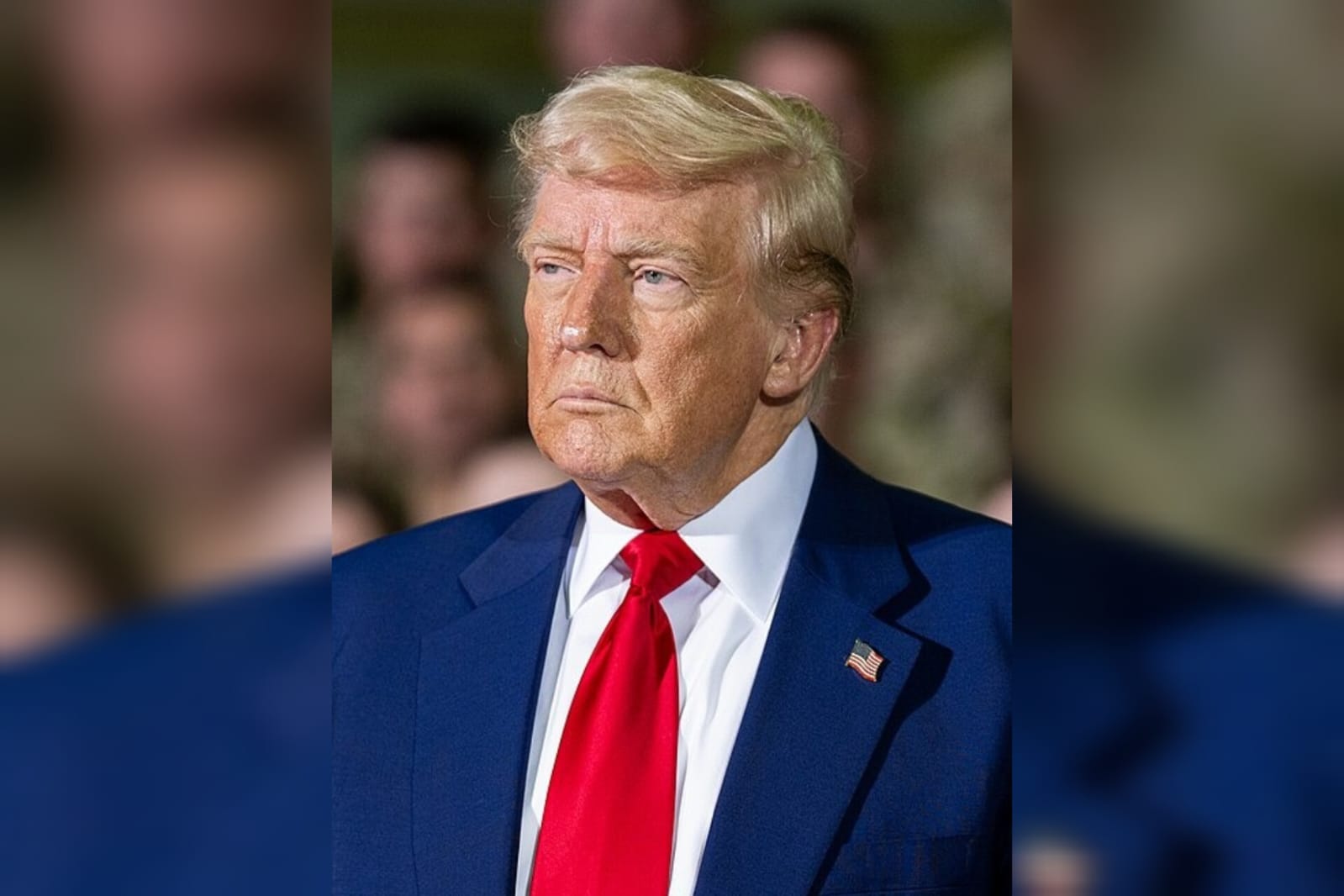
U.S. President Donald Trump confirmed his personal involvement in the signing of the agreement, which took place during a dinner at the Palace of Versailles following the G7 summit. He declared that the deal was “just signed” and now operational. Meanwhile, officials from the White House corroborated this, while Iranian representatives indicated that the agreement was finalized using electronic signatures from senior officials on both sides.
Central to the agreement is the reopening of the Strait of Hormuz, a vital global shipping lane that had been affected amid the hostilities. The document also outlines provisions for the immediate lifting of sanctions on Iranian oil exports, permitting Tehran to recommence energy shipments under newly established conditions. The framework sets a 60-day period to negotiate aspects of Iran’s nuclear program, with plans for further talks aimed at establishing long-term verification protocols and regional security measures. Both nations have clarified that the agreement marks the start of a phased approach rather than a conclusive resolution.
Additionally, the framework considers the establishment of a large-scale reconstruction fund for Iran, to be supported by regional partners, contingent upon achieving a final nuclear deal. Nonetheless, the United States has made it clear that any extensive financial aid will be subject to Iran’s adherence to the terms and continued diplomatic advancements.
While proponents of the agreement view it as a breakthrough for stabilizing global energy markets and alleviating regional tensions, skeptics express concerns about its successful execution and sustained impact, particularly with respect to enforcing nuclear limitations and securing regional commitments.