
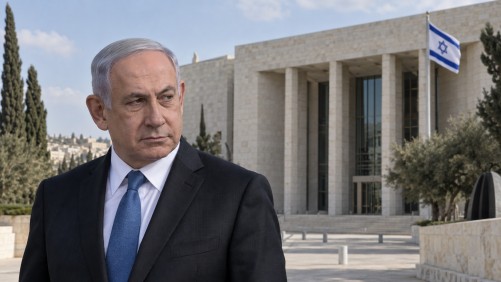
The Israeli government’s plan to overhaul the judicial system could significantly alter the balance of power in the country, affecting legislation, judicial independence, and potentially other public policies. The proposed changes, which include limiting the Supreme Court’s authority to strike down laws and adjusting the process for appointing justices, are anticipated to influence the country’s legal and political landscape profoundly.
Following the October 7 attacks, Prime Minister Benjamin Netanyahu’s government had temporarily paused these judicial reforms amid widespread protests. However, the coalition is now poised to revive these plans, seeking to enhance the Knesset’s role by curbing judicial intervention in legislative matters. Proponents argue that these changes will bolster the decision-making power of elected lawmakers.
One key aspect of the reform is the proposed alteration in the appointment process for Supreme Court justices. Current legislation, though not yet implemented, suggests removing the veto power of professional representatives. Instead, appointments would require consensus between the coalition and opposition, with each side appointing a justice in case of a deadlock. This shift could significantly change the composition of the court, especially as four justices have already retired and six more are expected to do so in the coming years.
Critics, however, caution that diminishing judicial oversight risks undermining democratic checks and balances, potentially allowing increased political influence over the courts. This concern extends beyond the judiciary, as the proposed reforms could also impact media regulation and religious affairs, areas that opponents believe require robust judicial checks to safeguard individual and minority rights.
As Israel moves towards its next election, the debate over these judicial reforms is set to dominate political discourse. The future composition and powers of the Supreme Court are likely to be central themes in discussions regarding the country’s governance and institutional integrity. Supporters and opponents alike recognize that the outcome of this debate could shape Israel’s democratic structures for years to come.