
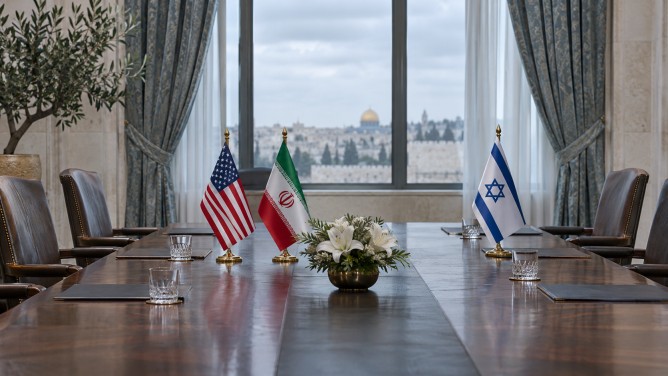
Ongoing peace talks between the United States, Iran, and Qatar are facing uncertainty due to concerns about Israeli Prime Minister Benjamin Netanyahu’s potential actions. Negotiators worry that Netanyahu might authorize military operations against Iran, which could disrupt the diplomatic efforts aimed at resolving tensions between Washington and Tehran.
Officials involved in the negotiations revealed that Netanyahu’s stance has raised fears of reigniting large-scale conflicts, which have mostly been dormant since April. In the U.S., President Donald Trump continues to balance diplomatic negotiations with economic measures, maintaining a blockade on Iranian ports and tightening sanctions to pressure Iran into addressing its nuclear program and the strategically significant Strait of Hormuz.
Tehran, showing some openness to dialogue, has engaged with Qatari mediators regarding its nuclear activities. However, substantial disagreements persist. Iran refuses to export its highly enriched uranium, proposing instead to discuss reducing enrichment levels under United Nations supervision. Additionally, Iran’s demands for sanctions relief and compensation for damaged infrastructure have been met with resistance from Washington, alongside dismissed proposals to levy tolls on vessels passing through the Strait of Hormuz.
U.S. Vice President JD Vance, a proponent of diplomatic solutions, has expressed his concerns about Netanyahu’s repeated calls for military interventions. Vance believes that the Israeli Prime Minister’s assessments of the conflict and its potential consequences might be misleading.
Despite these differences and tensions, there remains a glimmer of hope among negotiators that a resolution, or at least a temporary agreement, can be reached to avert further escalation of the conflict. The outcome of these talks remains crucial for the stability of the region and the future of U.S.-Iran relations.