
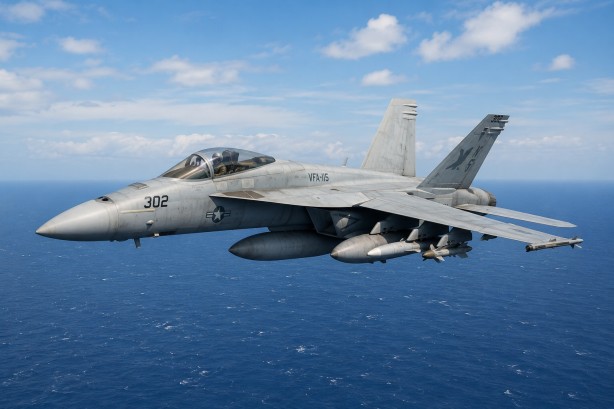
The escalating conflict between the United States and Iran has seen renewed military actions, raising alarms about the potential for a broader regional war. Recent operations by the U.S. involved strikes on targets near Tehran and other areas, along with an attack on a vessel accused of breaching its naval blockade. These actions have been met with strong condemnation from Iranian officials, who reported casualties and criticized the strikes, particularly those impacting civilian infrastructure.
In retaliation, Iran has fired missiles and deployed drones towards countries in the region that host U.S. military bases, including Bahrain, Jordan, and Kuwait. There is heightened concern over regional security following reports of drone activity close to Iraqi oil facilities, which could destabilize the area further.
The situation has also intensified around the Strait of Hormuz, a vital corridor for global shipping. Iran has issued warnings against foreign interference in this critical waterway, indicating that it might escalate military operations should its strategic infrastructure face additional threats. The ongoing disruptions in maritime traffic through the Strait have sparked fears over global energy supplies, causing oil prices to climb.
As a result of the conflict, several nations are reassessing their maritime security protocols, with shipping through the Strait of Hormuz experiencing delays due to the unrest. Despite these military tensions, diplomatic channels remain open, with efforts to rekindle negotiations continuing. Nonetheless, officials from both Washington and Tehran have expressed vastly different positions, casting doubt on the likelihood of achieving a sustainable ceasefire in the near future.