
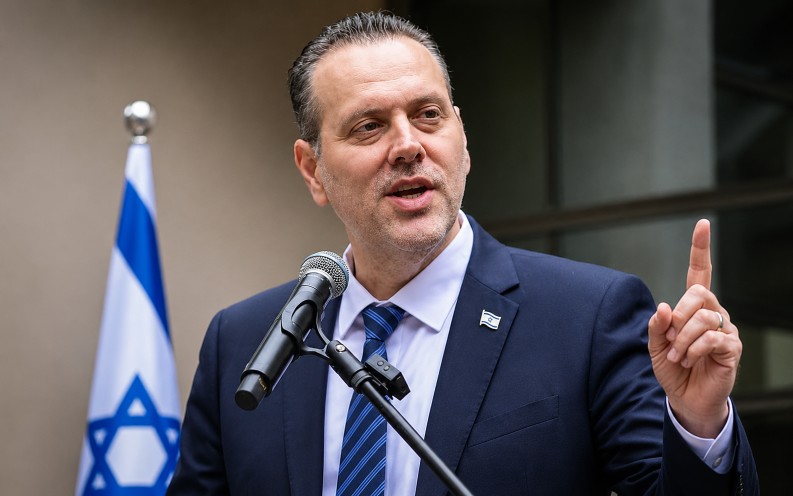
In a recent statement, Israeli Culture and Sports Minister Miki Zohar assured that Prime Minister Benjamin Netanyahu would adhere to any directive issued by the High Court of Justice, countering allegations that the government aims to provoke a constitutional crisis. This declaration follows the cabinet’s approval of a resolution that challenges the recognition of decisions made by the Council of the Second Authority under a High Court ruling, which permitted the broadcasting regulator to continue its operations without the mandated quorum.
The government contends that the High Court’s decision is at odds with existing legislation and asserts that every state body, including the judiciary, must function within established legal parameters. Zohar emphasized that the resolution’s purpose is to avert, not instigate, a constitutional crisis. Despite these assurances, the action has sparked significant backlash from opposition figures and legal analysts.
Among the critics, President Isaac Herzog cautioned that disregarding High Court rulings would represent a breach of a “red line,” highlighting the potential risks to the nation’s legal framework. Additionally, former Prime Minister Naftali Bennett expressed concerns that neglecting judicial decisions could plunge the country into constitutional disarray and destabilize democratic principles.
The heart of the dispute lies in the broadcasting council’s authority to approve a potential acquisition deal involving Channel 13. Critics have accused the government of trying to exert political influence over media regulation by wielding control over the council responsible for broadcasting oversight. These tensions underscore the broader debate over judicial independence and governmental power in Israel.