
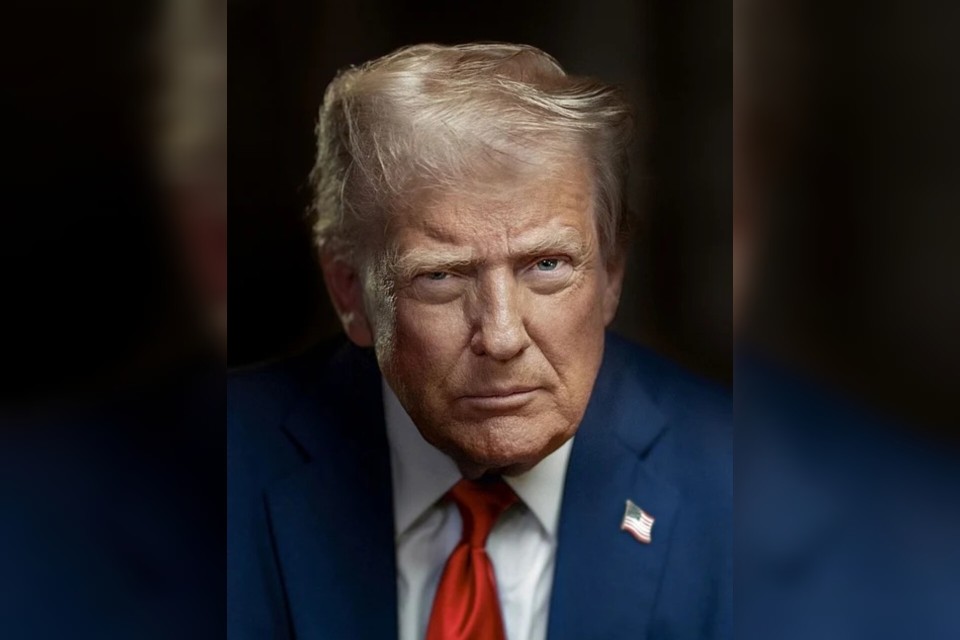
US President Donald Trump has announced significant progress toward a peace agreement with Iran, following comprehensive talks with leaders from the Middle East, Pakistan, and Israel. Trump indicated that the proposed deal, which aims to reopen the Strait of Hormuz and ease tensions from earlier conflicts this year, is nearly finalized, with only a few details pending before a formal declaration.
The negotiations have reportedly included key figures from Saudi Arabia, Qatar, Turkey, Egypt, the UAE, Jordan, Bahrain, Pakistan, and Israeli Prime Minister Benjamin Netanyahu. Despite the progress touted by Trump, Iranian officials have expressed reservations, particularly concerning the control over the Strait of Hormuz. Iranian representatives have emphasized that Iran will maintain authority over the strategic waterway, including decisions on shipping routes and permits.
Prime Minister Shehbaz Sharif of Pakistan has welcomed this diplomatic advancement, expressing hope that Pakistan can facilitate another round of talks between the US and Iran soon. General Syed Asim Munir, Pakistan’s army chief, is said to have played a crucial role in these mediation efforts, having recently met with Iranian leaders in Tehran.
The draft proposal for the agreement may involve a 60-day extension of the ceasefire, reopening the Strait of Hormuz without tolls, relaxing restrictions on Iranian oil exports, and reinitiating discussions on Iran’s nuclear program. In exchange, the US could consider easing sanctions on Iranian ports and releasing frozen Iranian assets as part of a broader resolution.
While diplomatic progress appears promising, tensions remain. Trump has cautioned that military actions could resume if negotiations break down. Meanwhile, some critics within the Republican Party argue that the proposed terms resemble past nuclear agreements they have previously opposed. The potential deal has sparked debate in Washington, with proponents viewing it as a means to prevent further conflict and economic disruption, while detractors worry it could amplify Iran’s regional power.