
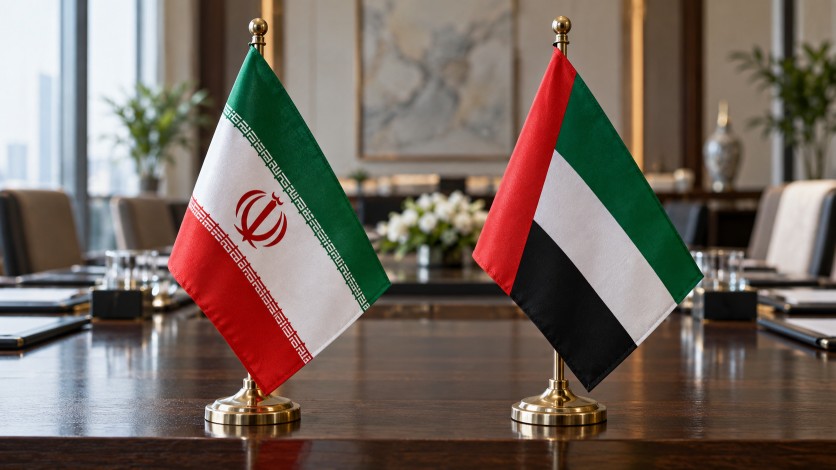
Iran has issued a stern warning to the United Arab Emirates and other regional nations following Israeli Prime Minister Benjamin Netanyahu’s visit to Abu Dhabi, citing concerns over potential regional instability. Tehran’s Foreign Ministry described Israel’s expanding influence in the region as having “highly dangerous consequences” and urged caution among neighboring countries.
The warning was prompted by Netanyahu’s September 27 meeting with UAE President Sheikh Mohamed bin Zayed Al Nahyan. The UAE acknowledged the meeting, stating that discussions revolved around bilateral relations and regional challenges. This diplomatic engagement occurs amid ongoing tensions between Iran and Israel, as well as increased diplomatic and security activities in the Gulf area.
Iran’s message emphasized the importance of not allowing regional territories to be used for actions that might jeopardize stability. This development highlights the complex geopolitical dynamics at play in the Middle East, where alliances and enmities can have far-reaching implications.
The meeting between the Israeli and Emirati leaders underscores the evolving relationships in the region, particularly in the wake of the Abraham Accords, which saw several Arab states normalize relations with Israel. However, Iran remains a vocal critic of these developments, warning that strengthened ties with Israel could escalate tensions.
As the region navigates these changes, the international community is closely monitoring potential shifts in alliances and the impact they may have on the delicate balance of power in the Middle East. Iran’s latest statements serve as a reminder of the persistent challenges in achieving long-term stability in the region.