
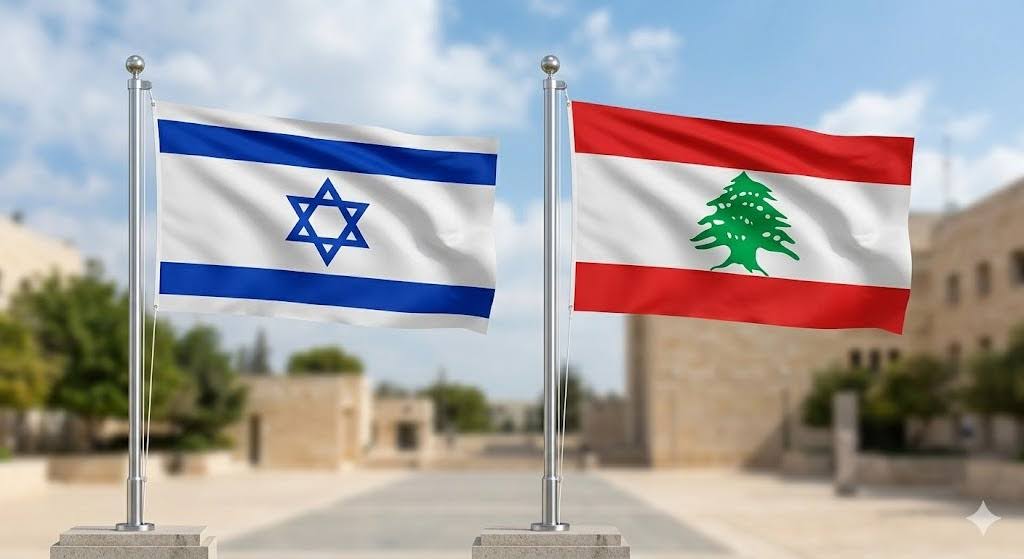
In a bid to de-escalate ongoing regional tensions, Israel and Lebanon have reached an agreement to renew a ceasefire along their mutual border. This development marks a significant move in diplomatic efforts aimed at fostering stability across the Middle East. As part of the terms, Hezbollah fighters are expected to cease attacks and retreat from positions south of the Litani River in southern Lebanon. Additionally, the agreement stipulates the establishment of pilot security zones where the Lebanese Armed Forces will maintain exclusive control, thereby restricting the presence of non-state armed groups.
Despite the announced truce, reports have surfaced indicating that military activities persist in certain areas of southern Lebanon, underscoring the complexities involved in fully implementing the ceasefire agreement on the ground. The renewed ceasefire comes after multiple rounds of negotiations and is viewed as a crucial step towards alleviating regional instability. Ongoing discussions are anticipated to refine the agreement’s specifics and ensure its phased implementation.
This ceasefire coincides with the United States’ broader diplomatic efforts involving Iran, as regional tensions continue to simmer. Recent military incidents in the Gulf, alongside contentious issues concerning the role of Iran-backed groups, have further complicated these diplomatic negotiations. However, stakeholders are hopeful that the success of the Israel-Lebanon ceasefire could serve as a vital precedent for future diplomatic endeavors aimed at achieving broader regional stability.
Analysts suggest that the outcomes of this ceasefire could significantly influence the trajectory of diplomatic efforts in the region. By potentially mitigating some of the Middle East’s longstanding conflicts, the ceasefire could pave the way for enhanced prospects of peace and cooperation. As discussions proceed, attention remains focused on the implementation of the ceasefire and its implications for regional dynamics.