
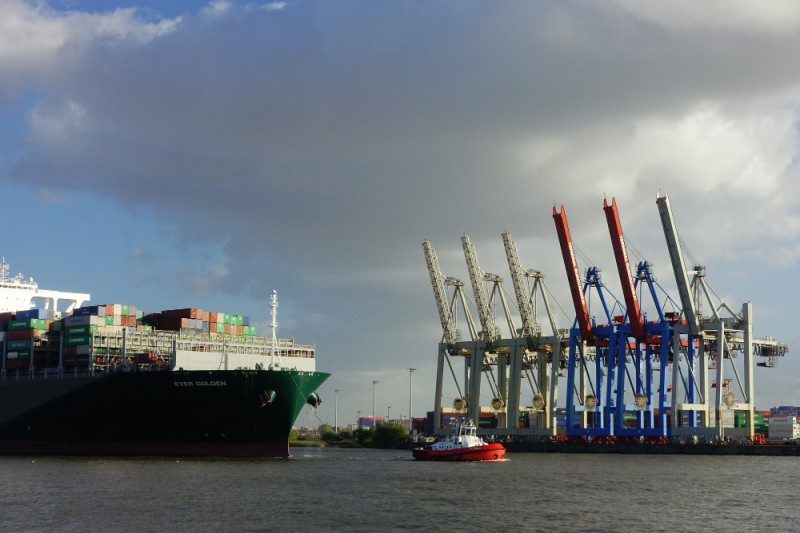
The European Union and China have initiated a series of trade discussions set to unfold over the next three months. This endeavor aims to address the growing economic imbalance between the two and to avert a potential trade conflict, primarily driven by the EU’s significant trade deficit with China. These discussions were announced following weeks of escalating tensions, during which the EU voiced its apprehensions about the increasing influx of Chinese goods and components into European markets. Both parties have expressed a commitment to fostering a more balanced trade relationship through these dialogues.
EU Trade Commissioner Maroš Šefčovič emphasized that the forthcoming discussions are expected to yield practical outcomes before the next major meeting scheduled in Beijing. The agenda for these talks includes a range of critical topics such as trade balance, investment policies, export controls, rare earth materials, and intellectual property rights, alongside necessary reforms related to the World Trade Organization. The EU has highlighted that the disparity between Chinese and European exports is exerting pressure on European industries and employment, with sectors beyond electric vehicles and clean energy increasingly feeling the impact of competition from Chinese products.
European industry groups have voiced their concerns over the heavy reliance on Chinese imports, which they fear could undermine local manufacturing capabilities. In response, the EU is evaluating potential future actions, which may include the imposition of quotas and additional trade restrictions if the ongoing negotiations fail to adequately address their concerns. This proactive stance reflects the EU’s determination to safeguard its economic interests and maintain a competitive industrial landscape.
To ensure a comprehensive understanding of the trade dynamics, both sides have consented to establish a monitoring system that will track significant changes in trade flows. This system is designed to facilitate discussions on possible interventions if abrupt increases in imports or exports pose economic risks. By instituting this measure, the EU and China aim to maintain transparency and readiness to address any sudden shifts that could threaten economic stability.