
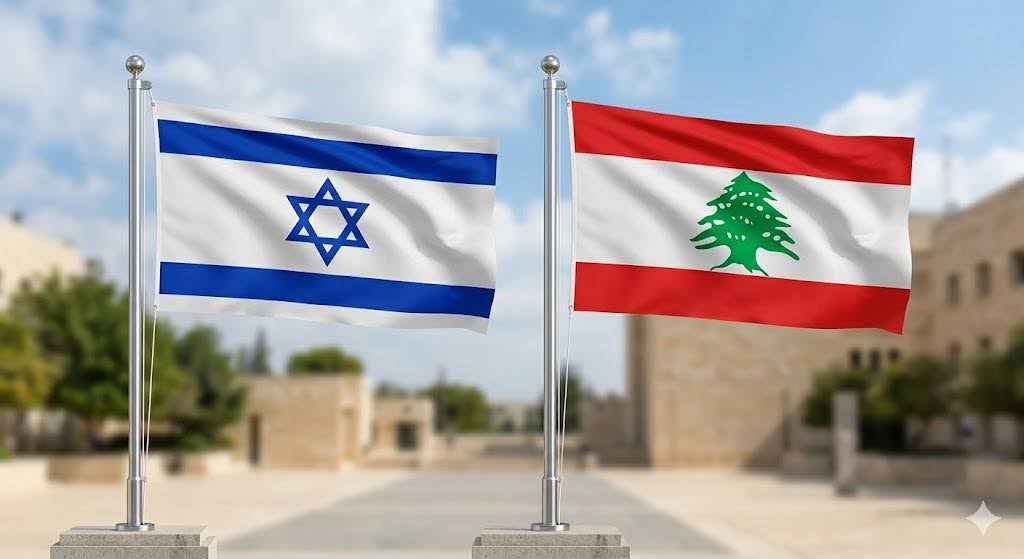
In a significant diplomatic development, Israel and Lebanon have reached an agreement to renew a ceasefire designed to halt hostilities along their mutual border. This move marks a crucial step in ongoing diplomatic efforts aimed at easing tensions throughout the Middle East. Under the terms of the agreement, Hezbollah fighters are expected to cease their attacks and withdraw from areas situated south of the Litani River in southern Lebanon. Additionally, the deal outlines the establishment of pilot security zones where the Lebanese Armed Forces will have exclusive control, effectively limiting the presence of non-state armed groups.
Despite the ceasefire announcement, military activities reportedly continue in parts of southern Lebanon, underscoring the challenges in enforcing the truce on the ground. This renewed effort follows multiple rounds of negotiations and is seen as a vital measure toward mitigating regional instability. As part of the ongoing diplomatic initiatives, discussions are set to continue to finalize the details and oversee the phased implementation of the agreement.
The ceasefire aligns with broader diplomatic efforts led by the United States, which is seeking progress in its engagements with Iran. However, regional tensions remain high, exacerbated by recent military incidents in the Gulf and ongoing disputes concerning the influence of Iran-backed groups. These factors continue to complicate negotiations in the region, presenting significant hurdles to achieving sustained peace.
Experts suggest that the success of the Israel-Lebanon ceasefire could have a profound impact on shaping future diplomatic strategies and enhancing prospects for wider regional stability. The agreement is seen as a potential catalyst for further diplomatic engagements, possibly paving the way for more comprehensive solutions to ongoing conflicts in the Middle East.